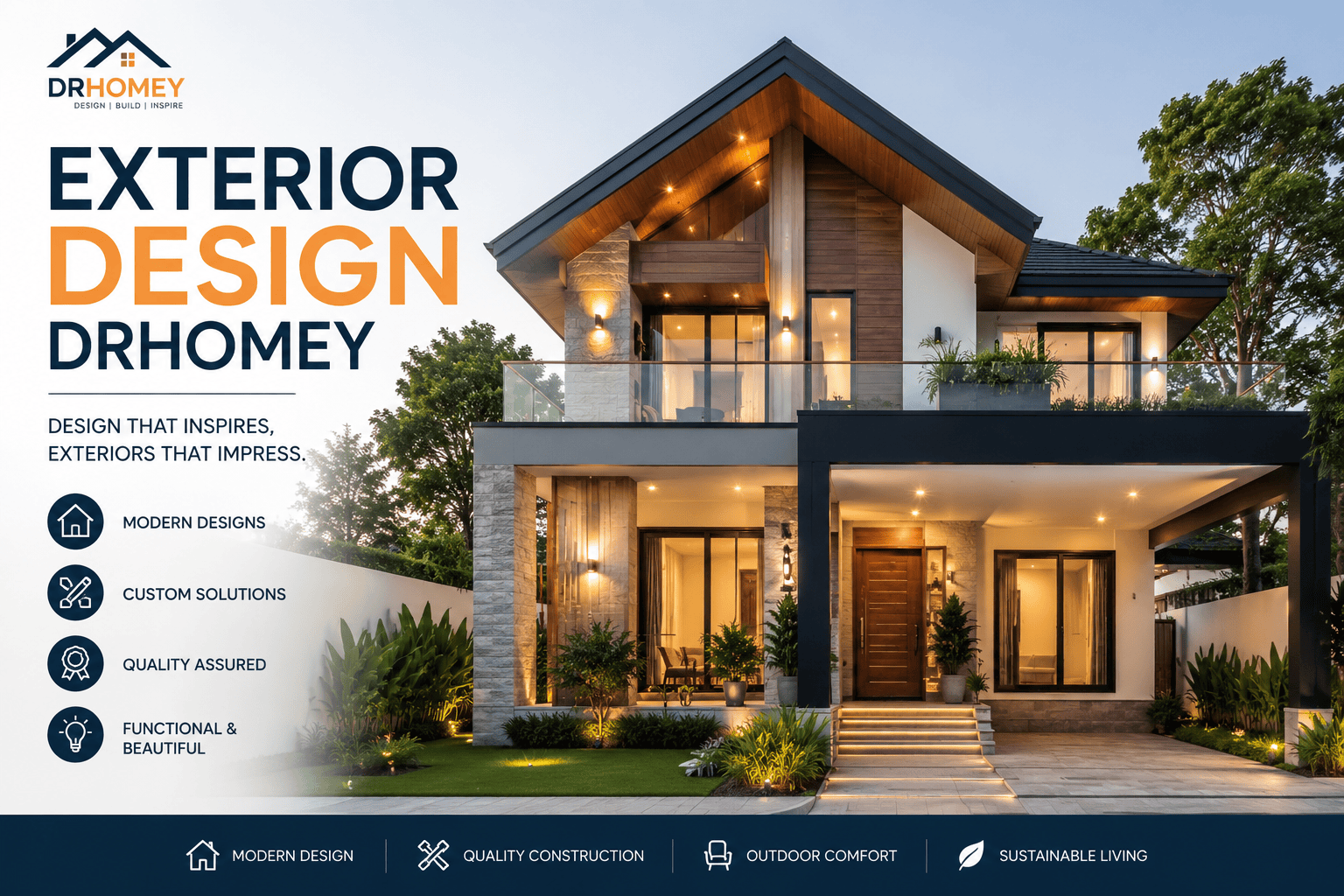
Exterior Design DrHomey: A Practical Guide to Better Curb Appeal
Exterior design drhomey refers to using the DrHomey visualization platform to plan and preview a home’s exterior — architectural style, siding and material choices, paint colors, and landscaping — before committing to a renovation. Instead of guessing how a new roofline or paint color will look, homeowners can test options digitally, compare them side by side, and only then move to contractors or purchases.
Introduction
The outside of a house is the part everyone sees first, yet it’s often the last thing homeowners plan carefully. Interior rooms get mood boards, paint swatches, and Pinterest folders; the exterior usually gets a quick coat of the “safe” color and whatever landscaping was already there. That’s starting to change, largely because visualization tools like DrHomey make it possible to actually see a design before paying for it.
This guide walks through what exterior design with DrHomey actually involves, the core elements that make an exterior work, common mistakes to avoid, and how to approach the process if you’re starting from scratch.
What Is Exterior Design DrHomey?
At its core, exterior design drhomey is the practice of using a digital visualization tool to model changes to a home’s exterior before making them in real life. Instead of relying on paint chips held up against brick, or trying to imagine new siding from a catalog photo, the software lets you upload a photo of your home (or start from a similar template) and layer in different materials, colors, and landscaping elements to see how they actually look together.
This matters because exterior renovations are expensive and hard to undo. Repainting a house, replacing siding, or re-landscaping a yard isn’t a weekend project you can casually redo if it doesn’t work out. Testing ideas digitally first reduces the risk of costly regret.
Why Exterior Design Matters More Than People Think
A home’s exterior does three jobs at once:
- It sets the first impression — for guests, buyers, and even the people who live there coming home every day.
- It protects the structure — materials like siding, roofing, and trim aren’t just decorative; they shield the house from weather.
- It affects resale value — appraisers and real estate agents consistently point to curb appeal as one of the more cost-effective ways to boost a home’s perceived value.
Core Elements of a Strong Exterior Design
Whether or not you use a visualization tool, good exterior design comes down to a handful of fundamentals.
1. Architectural Style Consistency
The design should work with the bones of the house, not against them. A craftsman bungalow generally doesn’t suit sleek, minimalist black-and-glass detailing, and a mid-century modern home rarely benefits from ornate colonial trim. The goal isn’t to copy a style exactly — it’s to avoid visual conflict between the home’s existing shape and the new details you’re adding.
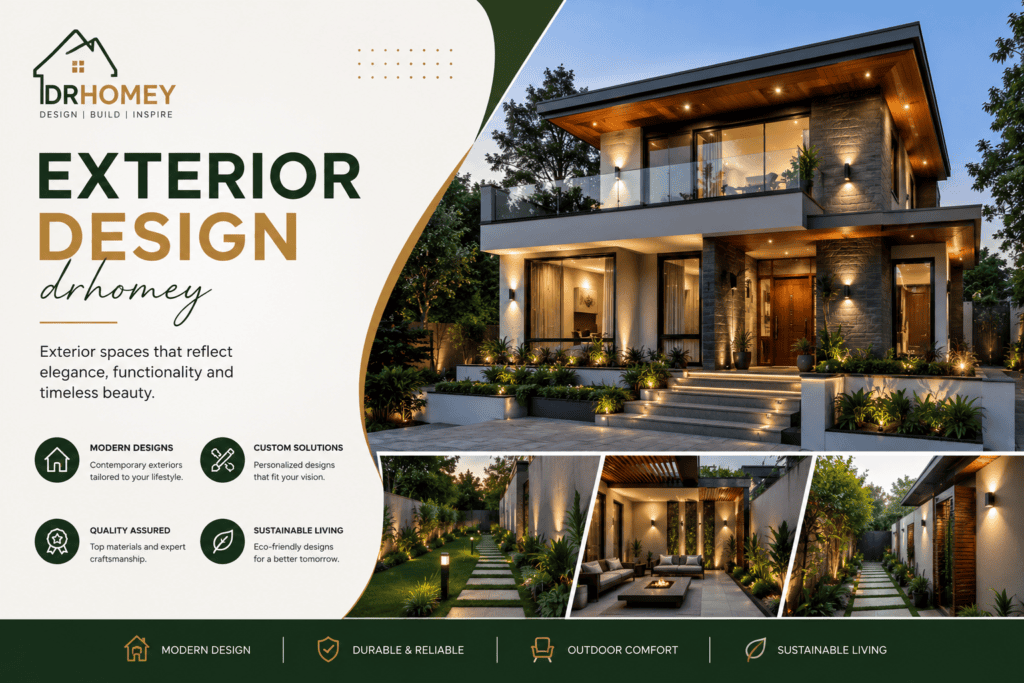
2. Material Selection
Common exterior materials each come with tradeoffs:
| Material | Pros | Cons | Typical Lifespan |
|---|---|---|---|
| Brick | Durable, low maintenance, classic look | Higher upfront cost, limited color changes | 100+ years |
| Wood siding | Warm, natural look, paintable | Needs regular maintenance, prone to rot | 20–40 years |
| Vinyl siding | Affordable, low maintenance | Can look artificial, fades over time | 20–40 years |
| Fiber cement | Durable, fire-resistant, paintable | Heavier, needs professional install | 30–50 years |
| Stone/stone veneer | High-end look, very durable | Expensive, heavy | 75+ years |
A visualization tool is especially useful here because material choice affects color options, and it’s hard to picture how brick, siding, and roofing will read together until you can actually see them side by side.
3. Color Palette
Exterior color generally works best in a three-part system: a dominant body color, a secondary trim color, and an accent color for the door or shutters. Beyond personal taste, color choices should account for the home’s surroundings — a bright coastal palette can look out of place in a wooded, earth-toned neighborhood, and vice versa.
4. Lighting
Exterior lighting does double duty: safety and atmosphere. Pathway lighting, up-lighting on architectural features, and a well-lit entry all contribute to how a home reads at night, which is easy to overlook when planning during the day.
5. Landscaping
Landscaping should frame the house, not hide it. Overgrown foundation plantings are one of the most common exterior design mistakes — they block windows, trap moisture against siding, and make a home look neglected rather than lived-in.
How to Approach an Exterior Design Project
Step 1: Document the Current State
Take clear, well-lit photos of the home from multiple angles. This becomes the baseline for comparison.
Step 2: Identify What’s Not Working
Be specific. “It looks dated” is vague; “the trim color clashes with the roof” is actionable.
Step 3: Test Options Before Buying Materials
This is where a visualization approach earns its keep. Testing paint colors, siding materials, and landscaping layouts digitally costs nothing and can be redone as many times as needed, unlike physical samples or a contractor’s estimate.
Step 4: Prioritize by Budget and Impact
Not every change needs to happen at once. A common, cost-effective sequence is: paint and trim first, then lighting and hardware, then landscaping, then larger structural changes like siding or roofing replacement.
Step 5: Get Contractor Input Before Finalizing
Software visualizations are planning tools, not engineering assessments. A contractor can confirm whether a planned change is structurally and financially realistic.
Common Mistakes in Exterior Design
- Ignoring the roof color when choosing siding and trim, resulting in three competing tones.
- Over-landscaping small yards, which makes the space feel cluttered rather than lush.
- Choosing trend-driven colors that may look dated within a few years, rather than durable neutrals with a distinct accent.
- Skipping the nighttime view and only planning for how the house looks in daylight.
- Changing materials without checking neighborhood or HOA guidelines, which can require costly redos.
Best Practices for Better Results
- Work from natural daylight photos, not photos taken at dusk or in harsh midday sun.
- Compare at least two or three material and color combinations before deciding.
- Keep a folder of homes you genuinely like (not just admire) and note what specifically works about them.
- Budget 10–15% extra for unexpected costs, especially with material or structural changes.
Key Takeaways
- Exterior design drhomey centers on visualizing exterior changes digitally before committing money to them.
- Strong exterior design balances architectural style, materials, color, lighting, and landscaping.
- Testing options first reduces the risk of expensive, hard-to-reverse mistakes.
- Contractor input should confirm any plan before materials are purchased.
- Small, sequenced changes (paint, then lighting, then landscaping, then structural work) are usually more budget-friendly than doing everything at once.
FAQS
What is exterior design drhomey used for?
It’s primarily used to preview changes to a home’s exterior — paint colors, siding materials, and landscaping — using a digital visualization of the actual house before any renovation work begins.
Do I need design experience to use a visualization tool for my exterior? No. These tools are built for homeowners without a design background; the goal is to make different options easy to compare visually rather than requiring technical skill.
How much does exterior design typically cost?
It varies widely by scope. A repaint might run a few thousand dollars, while full siding replacement or major landscaping can run into the tens of thousands. Getting local contractor quotes is the only reliable way to budget accurately.
Can I change my exterior color without repainting everything?
Sometimes. If existing materials (brick, stone) are in good condition, updating just the trim, door, and accents can meaningfully change the look without a full repaint.
How do I know if a color will look good on my specific house?
Testing it against your actual home’s photo — rather than a generic sample house — is the most reliable way, since lighting, roof color, and surrounding landscape all affect how a color reads.
Does exterior design actually increase home value?
Real estate professionals generally agree that strong curb appeal has a measurable, if modest, positive effect on perceived value and how quickly a home sells, though it varies by market and the scope of work.
What’s the biggest mistake homeowners make with exterior design?
Changing one element (like paint) without considering how it interacts with fixed elements that are expensive to change, like the roof or brick.
Should I hire a professional designer for exterior changes?
For minor updates like paint and lighting, most homeowners can plan effectively on their own. For structural changes or full renovations, a designer or architect can help avoid costly missteps.
Conclusion
Exterior design drhomey is really about removing guesswork from one of the more expensive and visible projects a homeowner can take on. By visualizing materials, colors, and landscaping against your actual home before spending money, you reduce the risk of an expensive mistake and end up with a result that’s been genuinely tested — not just imagined. Start with the basics: honest photos, a clear list of what isn’t working, and a handful of options tested side by side before you pick up a paintbrush or call a contractor.
Purple Flowers Are on Ginger Island? (2026)