Understanding the Perineum: Anatomy, Function, and Health Care
Understanding the Perineum: Anatomy, Essential Functions, and Health Care
Although often overlooked in day-to-day conversation, the perineum plays an indispensable role in core human bodily functions. Positioned discreetly in the lower pelvic region, this sensitive area serves as a primary foundation for your pelvic floor muscles, supporting bladder control, bowel movements, and sexual health.
Understanding the anatomy and purpose of the perineum empowers you to take charge of your body, recognize warning signs of discomfort, and adopt healthy living habits. Whether you are navigating pregnancy, recovering from childbirth, or managing athletic strain, taking care of your perineum is central to maintaining lifelong mobility and comfort.
What Is the Perineum?
From a purely anatomical perspective, the perineum is the diamond-shaped region of tissue located between the legs at the base of the pelvis. Externally, it is visible as the region of skin and soft tissue sitting directly between the anus and the external genital structures (the scrotum in biological males or the vaginal opening in biological females).
Internally, the perineum encompasses a complex system of connective tissue, fascia, blood vessels, nerve endings, and muscles. It is divided conceptually into two distinct anatomical zones:
The urogenital triangle, which contains the external genitals and the urethral opening.
The anal triangle, which houses the anal canal and the surrounding external anal sphincter.
At the center of these two regions lies a vital, dense mass of fibromuscular tissue known as the perineal body. This structural hub anchors various pelvic floor muscles together, ensuring that the pelvic cavity remains firmly supported. To explore detailed medical diagrams of these pelvic structures, visit the comprehensive anatomy guides available on Healthline.
Critical Functions of the Perineum
Despite its small footprint, the perineum carries heavy dynamic responsibilities in everyday life. It works continuously alongside your deep core and diaphragm to maintain stability and control.
Structural Support for Pelvic Organs
The muscles anchored within the perineum work in tandem with the broader pelvic floor to cradle crucial internal organs, including the bladder, uterus (in women), and bowel. Without a healthy, firm perineum, these organs risk shifting downward or prolapsing under gravity and abdominal pressure.
Urinary and Bowel Continence
The muscular fibers running through the perineum allow you to voluntarily contract and relax the sphincters controlling urination and defecation. By maintaining proper muscle tone in the perineum, you preserve strong continence control, preventing accidental leaks when coughing, laughing, or exercising.
Sexual Sensation and Function
Because the perineum is rich in nerve networks—most notably branches of the pudendal nerve—it is a highly sensitive area that plays a direct role in sexual arousal and satisfaction. Healthy blood flow and nervous system signaling through the perineum support reproductive organ responses during intimacy.
Common Conditions and Issues Affecting the Perineum
Given its placement and constant involvement in daily movement, the perineum can experience strain, trauma, or medical complications. Recognizing early indicators of trouble allows for timely interventions.
Obstetric Tears and Trauma During Childbirth
During vaginal delivery, the tissue of the perineum stretches significantly to allow the passage of the baby. In many births, tears occur naturally across the perineum, ranging from mild superficial skin tears to deeper muscular injuries that require surgical repair. Understanding childbirth recovery techniques from trusted clinical platforms like the Mayo Clinic can help mothers navigate postpartum healing with confidence.
Chronic Pelvic Pain and Pudendal Neuralgia
Irritation or entrapment of the pudendal nerve running through the perineum can cause chronic pain, burning, or tingling sensations. This discomfort often worsens during sitting or tight-fitting clothes, requiring targeted physical therapy to relieve tension in the perineum.
Pressure Injuries and Cycling Strain
Long-distance cyclists, horseback riders, or individuals who spend extended periods sitting on hard, narrow surfaces often exert repetitive pressure on the perineum. Over time, this compression can restrict localized circulation to the perineum, leading to temporary numbness, tissue irritation, or saddle sores.
Cysts, Abscesses, and Skin Infections
Because the perineum is prone to warmth and friction, blocked sweat glands or hair follicles can turn into painful cysts or localized abscesses. Good personal hygiene and breathable fabrics help protect the delicate skin covering the perineum from bacterial or fungal buildup.
Best Practices for Maintaining a Healthy Perineum
Proactive care ensures that the perineum remains resilient, comfortable, and free from chronic irritation. Incorporating simple everyday habits makes a remarkable difference in protecting this vital area.
Gentle Daily Hygiene Practices
Cleanse the perineum daily using warm water and mild, unscented soap. Avoid harsh chemical wipes, heavily fragranced body washes, or aggressive scrubbing, which can disrupt the natural skin barrier of the perineum and cause severe contact dermatitis.
Pelvic Floor Muscle Conditioning
Targeted exercises, such as Kegels, strengthen the muscle groups anchored in the perineum. Squeezing and lifting the pelvic floor for several seconds before releasing helps build endurance and protects the perineum against pelvic organ prolapse.
Antenatal Massage Preparation
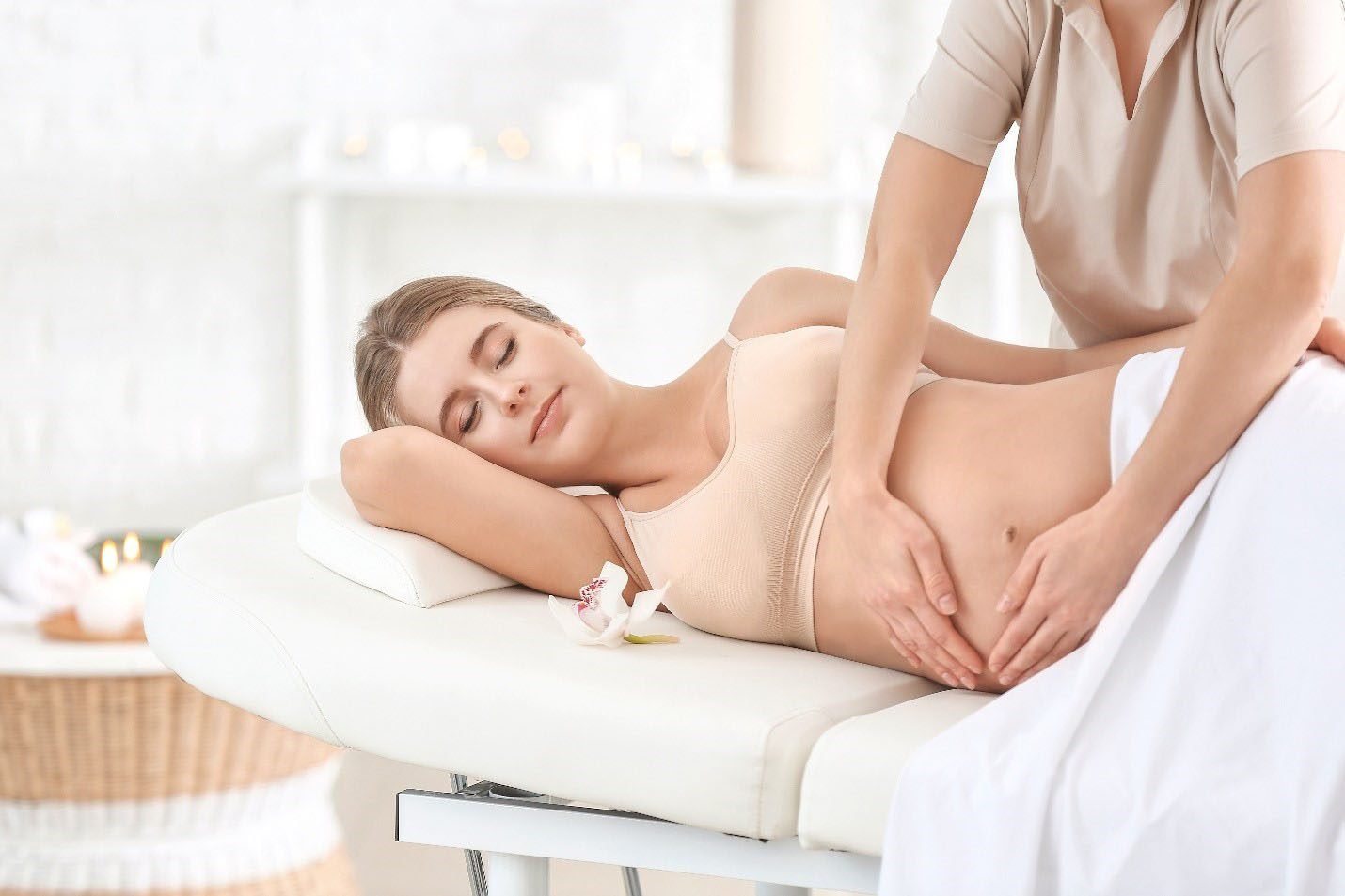
Expectant mothers entering their third trimester often practice gentle massage techniques on the perineum. Using natural oils to massage the tissue of the perineum increases flexibility, boosting elasticity and potentially reducing the risk of severe tears during labor.
Ergonomic Modifications for Athletes
If long-distance biking causes discomfort in your perineum, invest in a padded, ergonomic, or cutout saddle designed specifically to relieve midline pressure. Taking frequent standing breaks during long rides ensures that blood flow to the perineum remains steady and uninterrupted.
Conclusion
The perineum serves as a vital bridge within your anatomy, supporting organ stability, reproductive health, and essential bodily functions every day. By practicing gentle hygiene, maintaining pelvic muscle strength, and adjusting posture during physical activity, you safeguard your perineum against common injuries and discomfort. Listening to your body and seeking medical care for persistent pain in the perineum ensures optimal long-term health and well-being.
Visit also : zingyzon.co.uk
What is the primary function of the perineum?
The main function of the perineum is to provide structural support to the pelvic floor muscles, which hold the bladder, bowel, and reproductive organs in place while controlling urinary, digestive, and sexual functions.
How long does a torn perineum take to heal after childbirth?
A mild tear in the perineum typically heals within two to four weeks with proper rest and hygiene, whereas deeper tears requiring stitches may take six weeks or longer for complete recovery.
Why does sitting cause pain in the perineum?
Sitting for long periods on hard surfaces compresses the nerves and blood vessels within the perineum, which can lead to temporary numbness, localized muscle tightness, or aggravated nerve irritation.
Can pelvic floor exercises strengthen the perineum?
Yes, exercises like Kegels directly strengthen the muscles surrounding the perineum, improving bladder control, enhancing pelvic organ support, and assisting in postpartum recovery.
When should you see a doctor for perineum pain?
You should consult a healthcare professional if you experience severe, persistent, or worsening pain in the perineum, or if you notice unexplained lumps, skin redness, swelling, or signs of infection.