What Is the Perineum? Anatomy, Functions, & Care Guide
What Is the Perineum? A Complete Guide to Anatomy, Function, and Health
When exploring human anatomy, you might encounter terms that sound familiar but remain difficult to pinpoint. One such area is the pelvic outlet. If you have ever wondered, what is the perineum, you are not alone. Though often under-discussed, this small region of skin, muscle, and nerve networks plays a major role in your daily comfort, bodily functions, and intimate health.
Understanding your body’s structure empowers you to make informed decisions about wellness, exercise, and medical care. From supporting core pelvic organs to enabling smooth bodily excretions, this region acts as a foundational anchor. This guide explores the location, functions, and key health considerations surrounding this vital anatomical area.
What Is the Perineum and Where Is It Located?
To answer the fundamental question—what is the perineum—it helps to start with simple surface geography. Externally, it is the diamond-shaped region of tissue situated between the thighs. It lies directly below the pelvic floor muscles, bridging the area between the genitals and the anus.
From an internal anatomical perspective, the borders stretch from the pubic bone at the front to the tailbone at the back. The side boundaries are marked by the sitting bones. Because it houses several essential passageways, medical professionals divide this diamond space into two main regions.
                     Pubic Bone (Front)
                             /\
                            /  \
                           /    \
  Left Sitting Bone <---- <  UG  > ----> Right Sitting Bone
                           \ Triangle /
                            \        /
                             \ Anal /
                              \    /
                               \/
                         Tailbone (Back)
The Urogenital Triangle
The front portion of this region is called the urogenital triangle. In females, it encompasses the vaginal opening and the urethral opening. In males, it anchors the base of the penis and the scrotum.
The Anal Triangle
The rear portion is known as the anal triangle. This segment surrounds the anal canal and the external sphincter muscles responsible for bowel control.
Crucial Anatomical Functions
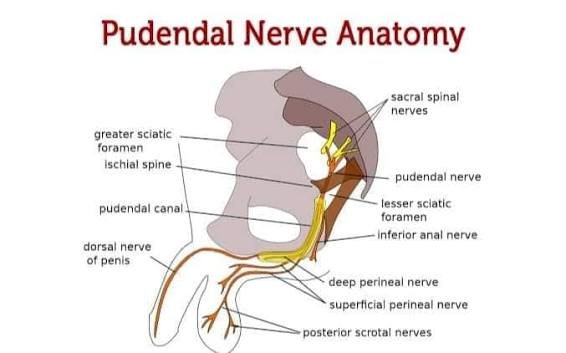
Now that we have answered what is the perineum structurally, let us explore why it matters to your health. This region is not just a passive patch of tissue; it is a complex hub of muscular fibers, blood vessels, and nerves like the pudendal nerve.
Supporting Pelvic Organs
The central tendon, or perineal body, sits right in the middle of this area. It functions like a dynamic anchor where multiple pelvic floor muscles converge. This structure keeps your bladder, intestines, and reproductive organs properly supported inside the body.
Maintaining Urinary and Bowel Control
The sphincter muscles within this region contract and relax on command. This balance allows you to hold in urine or gas and release them smoothly when appropriate.
Sexual Health and Sensation
Richly supplied with nerve endings and blood vessels, this space plays an active role in sexual arousal and physical sensation. Healthy blood flow to this area supports tissue elasticity and comfort during intimate activities.
Gender Differences in Perineal Anatomy
While everyone shares the same basic muscular layout, the presence of distinct reproductive organs creates unique structural differences between sexes.
| Feature | Female Anatomy | Male Anatomy |
| Location | Between the vulva and the anus | Between the scrotum and the anus |
| Average Length | Generally shorter (approx. 3–5 cm) | Typically longer distance overall |
| Primary Structural Demand | Must stretch during childbirth | Supports penile structures and urethra |
Common Health Conditions and Issues
Understanding what is the perineum also involves recognizing when something goes wrong. Because of its location, it is subject to mechanical stress, pressure, and tissue trauma.
Childbirth Injuries
During a vaginal delivery, the tissue between the vagina and anus stretches significantly. It may naturally tear, or an obstetrician might make a small medical incision called an episiotomy to aid delivery. Proper care during postpartum recovery is crucial for rebuilding tissue strength.
Cycling and Pressure Trauma
Long-distance cyclists often experience localized numbness or pain. Sitting on a narrow saddle for extended periods compresses the nerves and blood vessels in this area. Switching to an ergonomic or noseless bicycle saddle can quickly relieve pressure.
Pudendal Neuralgia
If the primary nerve traveling through this region becomes compressed or inflamed, it causes a sharp, burning, or aching pain. This condition often worsens when sitting down and improves when standing.
Practical Tips for Maintenance and Care
Taking care of this region is a straightforward aspect of overall wellness. Here are essential habits to keep in mind:
Practice Gentle Hygiene: Wash the region daily using warm water and mild, unscented soap. Avoid harsh chemicals or heavy fragrances that irritate delicate tissue.
Strengthen the Pelvic Floor: Exercises like Kegels strengthen the deep muscle layers that meet at the central tendon, supporting organ health and bowel control.
Stay Hydrated: Drinking enough water and consuming fiber prevents constipation, reducing strain on the tissue during bowel movements.
Use Ergonomic Support: If your job involves sitting for long hours or you cycle regularly, consider cushioned or pressure-relieving seat pads.
For reliable health information on pelvic floor strength, explore medical resources provided by the Mayo Clinic or consult expert guidelines from the American College of Obstetricians and Gynecologists.
Summary of Key Takeaways
Understanding what is the perineum provides valuable insight into your bodily health. Acting as the base of your pelvic cavity, it supports internal organs, aids excretory functions, and contributes to intimate wellness. By maintaining gentle hygiene, supporting muscle strength, and addressing discomfort early with a medical professional, you ensure this essential part of your body stays healthy.
Visit also : zingyzon.co.uk
What is the perineum and where is it found?
It is the region of muscle, skin, and tissue located between your genitals and the anus. It forms the lower floor of your pelvic cavity.
What is the main function of the perineum?
Its primary functions include supporting pelvic organs, assisting in urinary and bowel control, supporting sexual health, and stretching during childbirth.
Why does the perineum hurt when sitting down?
Pain while sitting can result from prolonged pressure from narrow seats, muscle strain, hemorrhoids, or nerve compression such as pudendal neuralgia.
How does the perineum change during childbirth?
During a vaginal birth, this area stretches to accommodate the baby. It may sustain minor or major tears, which heal over time with appropriate care and rest.
Can pelvic floor exercises improve perineal strength?
Yes, exercises like Kegels strengthen the pelvic muscles anchored at the central tendon, improving support for internal organs and sphincter control.