Modern Gate Design: A Complete Guide to Styles, Materials, and Ideas
A gate is often the first thing visitors notice about a property, and its design sets the tone for everything behind it. Modern gate design refers to gate styles that favor clean lines, minimal ornamentation, and materials like steel, aluminum, or glass over the elaborate scrollwork common in traditional gates. These designs balance security, functionality, and curb appeal, making them a popular choice for homes, offices, and commercial spaces alike.
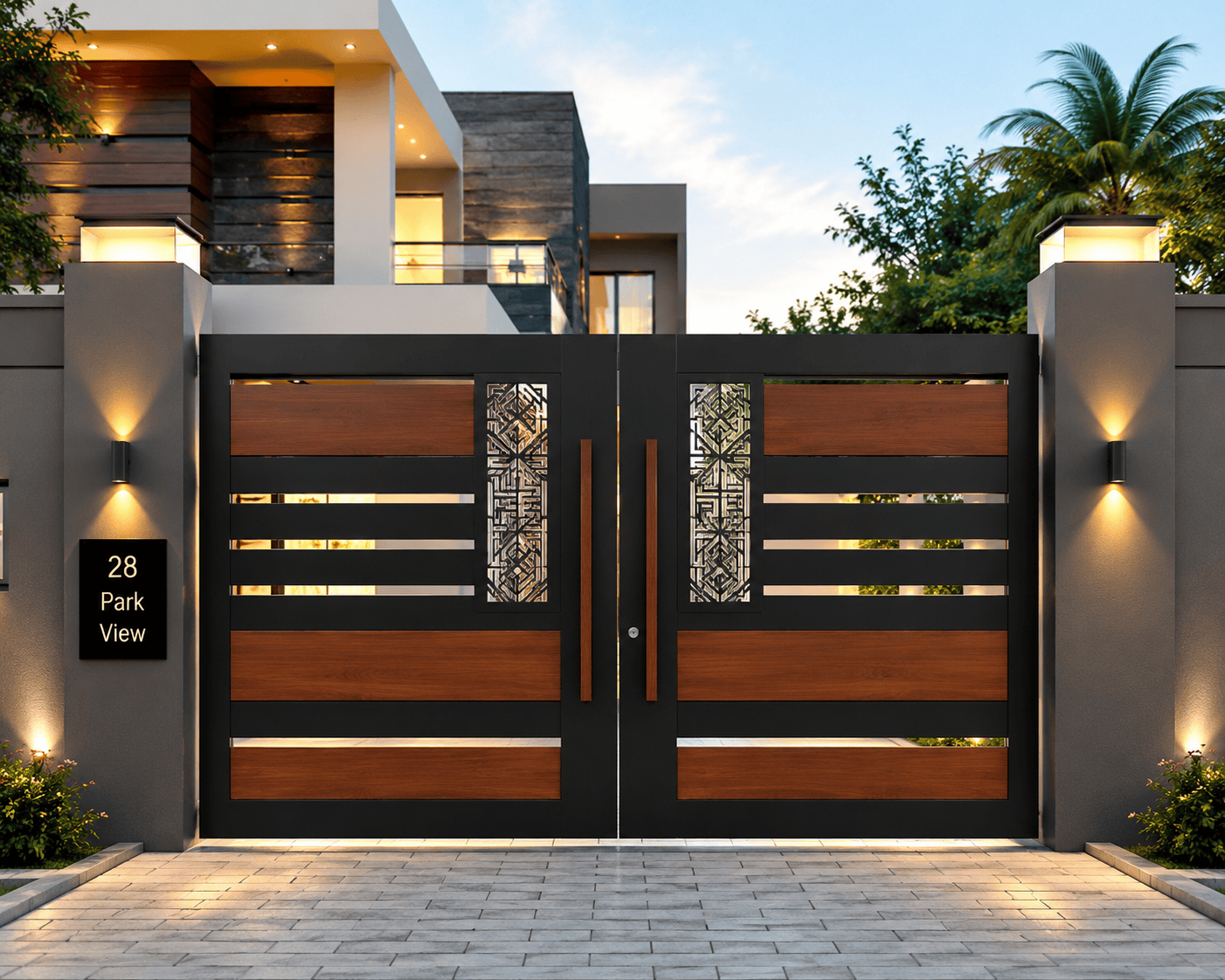
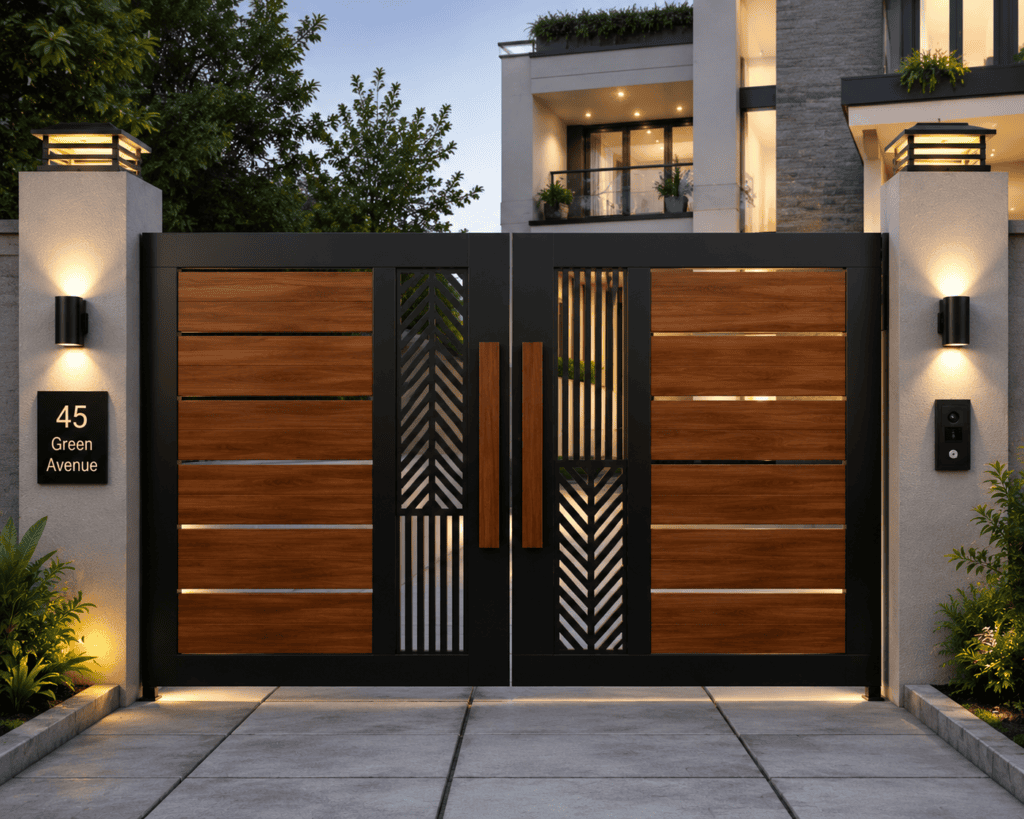
Modern gate design typically features geometric shapes, horizontal or vertical slats, minimal decoration, and materials such as powder-coated aluminum, laser-cut steel, or a mix of wood and metal. The goal is a sleek, low-maintenance gate that complements contemporary architecture while providing reliable security. Popular options include sliding gates, horizontal slat gates, and pivot gates with automated entry systems.
Why Gate Design Matters
A gate does more than mark a boundary. It affects:
- First impressions — the gate is often the first design element visitors see
- Security — material and construction determine how well a gate deters intrusion
- Property value — a well-designed gate can boost curb appeal and resale value
- Daily convenience — automation and layout affect ease of use
Choosing the right design means balancing these priorities rather than focusing on looks alone.
Popular Modern Gate Design Styles
Horizontal Slat Gates
Horizontal slat gates use evenly spaced flat bars or panels running side to side. This style is one of the most requested looks in contemporary architecture because it visually widens a driveway entrance and pairs well with minimalist landscaping.
Vertical Slat Gates
Vertical slats create a taller, more formal appearance and work well for narrower entrances. They’re commonly used for pedestrian gates and side entries where a slimmer profile is needed.
Solid Panel Gates
Solid panel gates, often made from powder-coated steel or composite material, offer maximum privacy. They’re a strong choice for homeowners who want to block visibility into the property entirely.
Glass and Metal Combination Gates
Pairing tempered glass panels with a metal frame creates a striking, high-end look. This style is popular for luxury residences and modern commercial buildings, though it requires more maintenance to keep the glass clean.
Pivot Gates
Instead of swinging on hinges, pivot gates rotate around a central vertical axis. They create a dramatic entrance effect and are often used as a statement piece for larger properties.
Materials Used in Modern Gates
| Material | Durability | Maintenance | Typical Use |
|---|---|---|---|
| Aluminum | High (rust-resistant) | Low | Residential driveways, sliding gates |
| Steel | Very high | Moderate (needs rust protection) | Security-focused gates, commercial entries |
| Wrought iron | Very high | Moderate to high | Traditional-modern hybrid designs |
| Wood + metal hybrid | Moderate | Moderate | Warm, natural aesthetic with structural strength |
| Glass panels | Moderate | High | Luxury and architectural statement gates |
Aluminum is generally favored for modern residential gates because it resists corrosion, requires minimal upkeep, and can be powder-coated in almost any color. Steel remains the top choice where security is the primary concern, since it offers greater impact resistance.
How to Choose the Right Modern Gate Design
1. Match the Gate to Your Architecture
A gate should reflect the lines and materials already present in the home or building. Angular, flat-roofed homes typically pair well with horizontal slat or solid panel gates, while properties with more traditional elements may benefit from a hybrid design that blends modern materials with subtle classic details.
2. Decide Between Swing, Sliding, or Pivot
- Swing gates need clearance space to open and work best on flat, wide driveways.
- Sliding gates are ideal for sloped or narrow driveways since they don’t require forward clearance.
- Pivot gates suit larger entrances where a bold visual statement is desired.
3. Factor in Automation
Most modern gates are designed with motorized operation in mind, including keypad entry, remote access, or smartphone-controlled apps. Automation adds convenience and security but should be factored into the budget early, since retrofitting an older gate for automation can be more expensive than building it in from the start.
4. Consider Privacy vs. Openness
Slatted designs allow airflow and partial visibility, which some homeowners prefer for a welcoming look. Solid panels maximize privacy but can make a property feel more closed off. The right balance depends on how much visibility you want from the street.
Common Mistakes to Avoid
- Ignoring maintenance requirements — glass and untreated wood need more upkeep than powder-coated metal.
- Choosing size before function — a gate that looks great but doesn’t accommodate delivery trucks or turning radius creates daily friction.
- Skipping local permit checks — many municipalities have height and setback rules for gates near public roads.
- Underestimating automation costs — motors, sensors, and access control systems add to the overall budget.
- Mismatching style and structure — a heavily ornamental gate on a minimalist home (or vice versa) can look disjointed.
Best Practices for a Long-Lasting Modern Gate
- Choose corrosion-resistant materials, especially in coastal or humid climates.
- Use powder coating rather than standard paint for better weather resistance.
- Ensure the gate’s automation system has a manual override for power outages.
- Schedule annual maintenance checks on hinges, tracks, and motors.
- Work with a licensed installer for structural and electrical components.
Modern Gate Design Examples
- A charcoal-grey aluminum horizontal slat gate paired with matching fence panels for a cohesive, understated look.
- A black steel frame gate with frosted glass inserts, offering privacy without blocking natural light.
- A wood-and-steel hybrid pivot gate, combining warmth with industrial strength for a striking entrance.
Key Takeaways
- Modern gate design emphasizes clean lines, minimal ornamentation, and durable materials like aluminum and steel.
- Horizontal slats, solid panels, and pivot gates are among the most popular contemporary styles.
- Material choice should balance durability, maintenance, and climate conditions.
- Automation is now a standard consideration, not an afterthought.
- Matching the gate style to existing architecture creates the most cohesive result.
Conclusion
A well-chosen modern gate design does more than secure a property; it shapes how the entire space is perceived from the street. By weighing style, material, automation needs, and maintenance realities together, homeowners and businesses can select a gate that stays functional and visually appealing for years to come. Whether it’s a sleek horizontal slat gate or a bold pivot design, the best choice is one that fits both the architecture and the daily needs of the property.
FAQs
What is the most popular modern gate design right now?
Horizontal slat gates in aluminum or steel are among the most requested styles due to their clean look and low maintenance.
Is aluminum or steel better for a modern gate?
Aluminum resists rust better and needs less upkeep, while steel offers greater strength and security. The right choice depends on priorities.
How much does a modern automated gate typically cost?
Costs vary widely by size, material, and automation level; contacting local installers for quotes is the most reliable way to get accurate pricing.
Do modern gates need a permit?
Many areas require permits for gates over a certain height or near public roads, so checking local regulations before installation is important.
Can I automate an existing manual gate?
Yes, in many cases, though the feasibility depends on the gate’s weight, material, and existing structure.
What is the difference between a sliding and a swing gate?
Sliding gates move along a track and suit narrow or sloped driveways, while swing gates open outward or inward and need more clearance space.
Are glass panel gates practical for everyday use?
They offer a striking look but require more frequent cleaning and are generally less impact-resistant than solid metal panels.
How do I choose a gate color for a modern home?
Neutral tones like charcoal, black, and matte grey tend to complement contemporary architecture, though the final choice should match the home’s existing palette.