Super Bowl 60 Logo: Design, Meaning, and Everything to Know
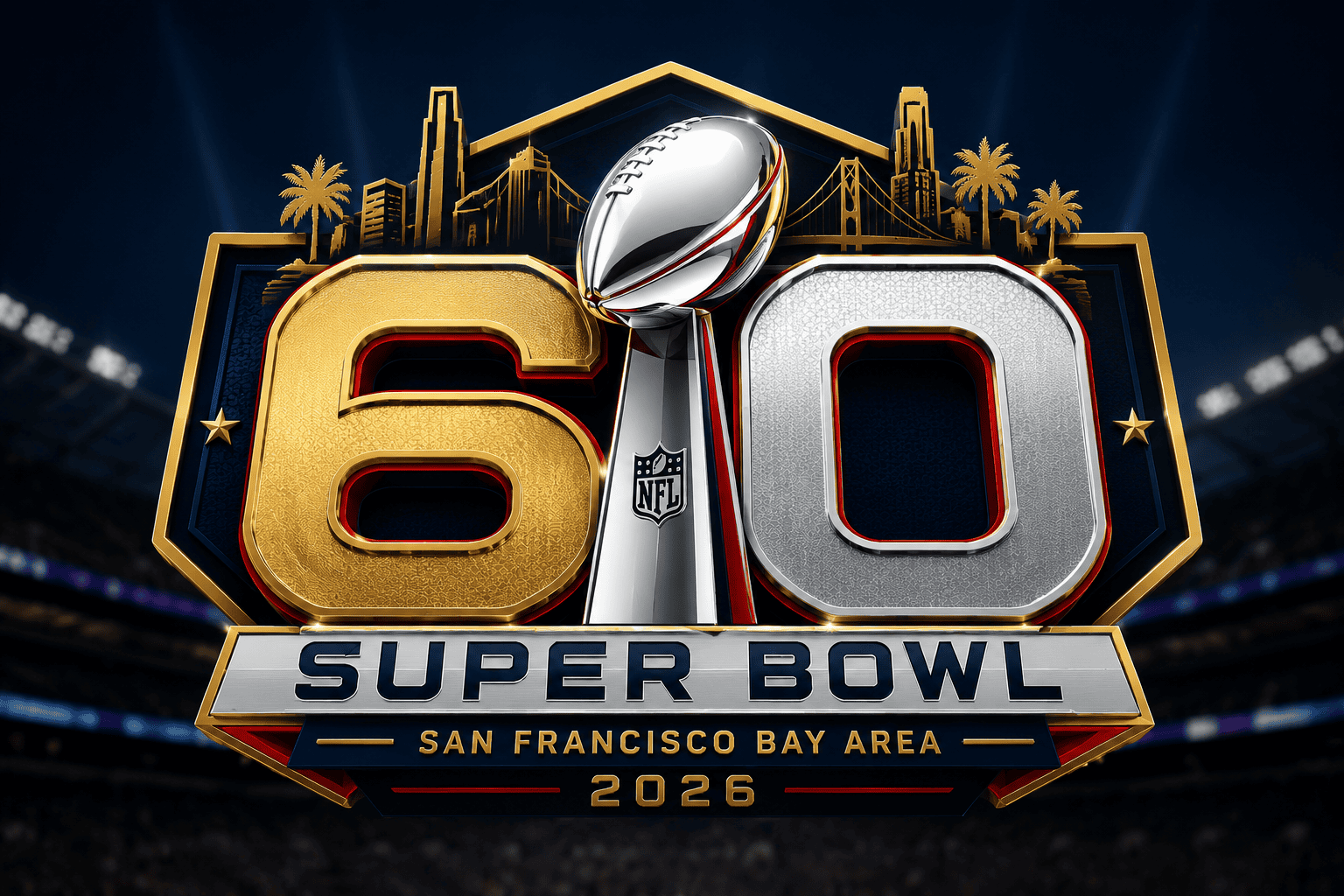
The Super Bowl 60 logo is the official emblem for Super Bowl LX, unveiled by the NFL the morning after Super Bowl LIX to mark the start of the next championship cycle. It features the Roman numeral LX set against Bay Area imagery, tying the design to Levi’s Stadium in Santa Clara, California, where the game was played.
Every year, the Super Bowl logo becomes a talking point beyond just branding — fans dissect its colors, symbolism, and design choices for clues about everything from the host city’s identity to (unofficially) which teams might make the game. This article breaks down the Super Bowl 60 logo’s design, what it represents, and how it fits into the broader history of Super Bowl branding.
The Super Bowl 60 (LX) logo was revealed on February 10, 2025, the Monday after Super Bowl LIX. It incorporates the Roman numeral LX, a multicolor gradient spanning magenta, blue, and gold, and Bay Area imagery including redwood trees, the Golden Gate Bridge, and the regional skyline, reflecting the game’s location at Levi’s Stadium in Santa Clara.
When and Where Was the Super Bowl 60 Logo Revealed?
The NFL follows a consistent pattern: the logo for the upcoming Super Bowl is typically unveiled the Monday morning immediately following the current Super Bowl. The Super Bowl 60 logo was released shortly after Super Bowl 59 concluded, featuring the Roman numeral LX along with redwood trees, the Golden Gate Bridge, and the San Francisco skyline.
Where Was Super Bowl LX Played?
Super Bowl LX was played on Sunday, February 8, 2026, at Levi’s Stadium in Santa Clara, California.This marked the second Super Bowl held at Levi’s Stadium, following Super Bowl 50 in 2016, when the Denver Broncos defeated the Carolina Panthers. The Bay Area has now hosted three Super Bowls overall, including Super Bowl XIX at nearby Stanford Stadium in 1985.
What Does the Super Bowl 60 Logo Look Like?
The logo centers on the numeral LX, continuing the NFL’s long-running practice of using Roman numerals in Super Bowl branding rather than switching to standard numbers. Around and within the numeral, the design incorporates:
- A multicolor gradient — described by some design outlets as running from magenta and deep purple through royal blue and cyan into golden yellow, effectively spanning much of the visible color spectrum.
- Redwood trees, referencing the towering forests found throughout Northern California.
- The Golden Gate Bridge, one of the most recognizable landmarks associated with San Francisco.
- A stylized skyline, representing the broader Bay Area region rather than any single city.
This combination ties the logo directly to its host region the same way past Super Bowl logos have referenced desert canyons for Arizona-hosted games or beadwork traditions for New Orleans.
Who Designed the Super Bowl 60 Logo?
Super Bowl logos are typically produced by the NFL’s in-house design team, though the league has occasionally collaborated with local artists, as it did for Super Bowl LIX in New Orleans. Public NFL communications about the Super Bowl 60 logo have focused on its imagery and symbolism rather than crediting an outside collaborator, suggesting this design followed the league’s standard internal process.
Why Do Super Bowl Logo Colors Get So Much Attention?
Is There Really a Super Bowl Logo Color “Conspiracy”?
Yes, and it’s become a recurring tradition among NFL fans. The theory traces back to Super Bowl 56, when the logo introduced colors to the Roman numerals for the first time, with red, orange, and yellow matching the eventual matchup between the Cincinnati Bengals and Los Angeles Rams. The pattern repeated the following year, when the Super Bowl 57 logo featured green and red, the primary colors of the Philadelphia Eagles and Kansas City Chiefs.
For Super Bowl 60, the theory ran into trouble. The logo’s most prominent colors were light blue and gold, which some fans read as a hint toward the Los Angeles Chargers, while the gold and yellow tones also drew comparisons to the Commanders, Steelers, and Rams. With a gradient spanning nearly every color in the spectrum, the design made the guessing game considerably harder than in previous years — which some fans and design writers suggested may have been intentional.
Key takeaway: Super Bowl logo colors have occasionally lined up with the eventual matchup, but there’s no official confirmation the NFL designs logos with a specific team pairing in mind. The pattern is closely watched by fans, not a confirmed marketing strategy.
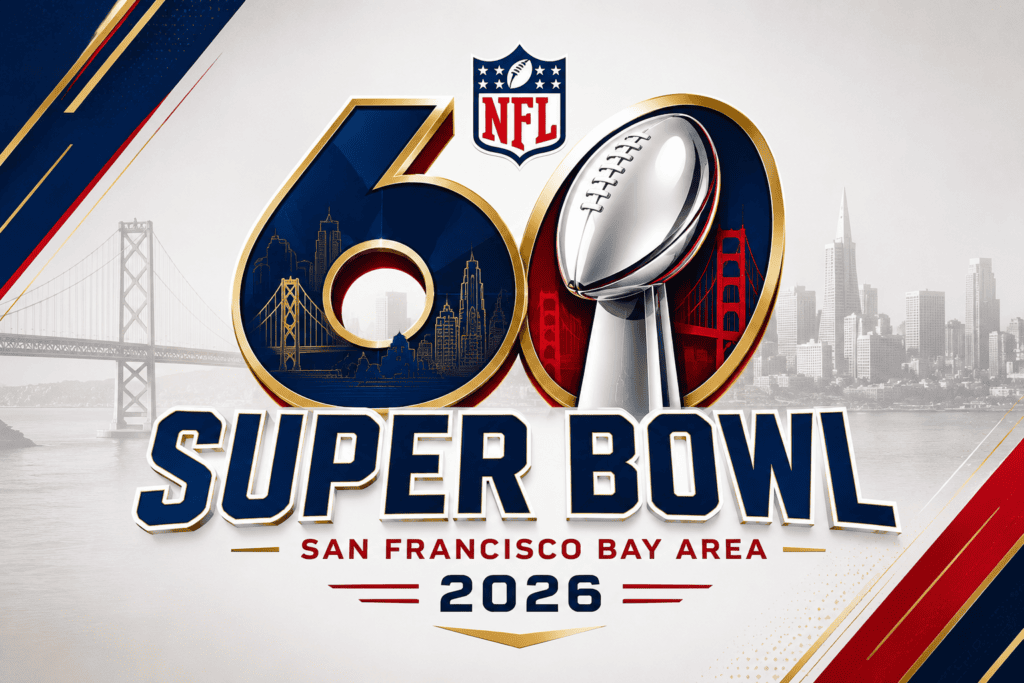
How the Super Bowl 60 Logo Compares to Recent Years
| Super Bowl | Host City/Venue | Logo Theme | Notable Colors |
|---|---|---|---|
| LVII (57) | Glendale, AZ | Desert and canyon imagery | Green, red |
| LVIII (58) | Las Vegas, NV | Vegas Strip-inspired design | Gold, black |
| LIX (59) | New Orleans, LA | Beadwork by local artist Tahj Williams | Bright, multicolor |
| LX (60) | Santa Clara, CA | Bay Area landmarks (Golden Gate, redwoods) | Magenta, blue, gold gradient |
This table reflects general design themes reported at the time each logo was released; exact color codes are not always published by the NFL.
What the Roman Numeral “LX” Represents
LX is the Roman numeral for 60, continuing the numbering system the NFL has used since Super Bowl V. The league briefly considered switching away from Roman numerals for Super Bowl 50, using the standard number “50” instead of “L,” reportedly because “L” alone looked awkward in the logo design. For Super Bowl 60, the league returned to the traditional LX format.
Common Misconceptions About the Super Bowl 60 Logo
- “The colors always predict the matchup.” This isn’t reliable — it has happened in some years and not others, and the NFL has never confirmed intentional matchup hints.
- “Every Super Bowl logo has a local artist collaborator.” This has only happened occasionally; Super Bowl LIX was notable specifically because it was the first time the NFL partnered with a local designer in this way.
- “The logo is finalized on game day.” In practice, the following year’s logo is designed and ready well in advance, typically revealed within a day of the current Super Bowl ending.
Best Practices for Using the Super Bowl Logo (For Businesses and Creators)
If you’re a business or content creator wanting to reference the Super Bowl in marketing:
- Avoid using the official logo directly in advertising or merchandise — it’s a trademarked NFL asset, and unauthorized commercial use can lead to legal issues.
- Use “Big Game” or generic phrasing if you’re not an official NFL sponsor; many brands do this specifically to avoid trademark conflicts.
- Reference publicly available news coverage of the logo reveal rather than reproducing the image itself, if writing about it for a blog or article.
- Check current NFL trademark guidelines before any commercial use, since enforcement and licensing terms can change year to year.
Key Takeaways
- The Super Bowl 60 logo was revealed on February 10, 2025, the Monday after Super Bowl LIX.
- It features the Roman numeral LX with Bay Area imagery: redwood trees, the Golden Gate Bridge, and a regional skyline.
- Super Bowl LX itself was played on February 8, 2026, at Levi’s Stadium in Santa Clara, marking the venue’s second time hosting the game.
- The logo’s gradient of magenta, blue, and gold reignited the long-running “Super Bowl logo color conspiracy” among fans, though with a wider color range than past years.
- The NFL’s official logo is trademarked; businesses and creators should avoid using it directly in commercial content.
Conclusion
The Super Bowl 60 logo follows the NFL’s established pattern of tying each year’s design to its host city, this time drawing on Bay Area landmarks like the Golden Gate Bridge and Northern California’s redwood forests. Beyond the visual design, the logo continued a long fan tradition of searching for hidden meaning in its color choices, even though the NFL has never confirmed that colors are chosen to hint at future matchups. Whether or not the theory holds up, the Super Bowl 60 logo reflects how much attention Super Bowl branding receives well before kickoff.
FAQs
When was the Super Bowl 60 logo revealed?
The Super Bowl 60 logo was revealed on February 10, 2025, the Monday morning after Super Bowl LIX concluded, continuing the NFL’s usual pattern of unveiling next year’s logo immediately after the current game.
What does the Super Bowl 60 logo feature?
It features the Roman numeral LX combined with Bay Area imagery, including redwood trees, the Golden Gate Bridge, and a stylized regional skyline, along with a multicolor gradient spanning magenta, blue, and gold tones.
Where was Super Bowl LX played?
Super Bowl LX was played on February 8, 2026, at Levi’s Stadium in Santa Clara, California, marking the stadium’s second time hosting the game after Super Bowl 50 in 2016.
Why does the Super Bowl logo change every year?
Each year’s logo is redesigned to reflect the host city and stadium, incorporating local landmarks, colors, or cultural references specific to that year’s Super Bowl location.
Do Super Bowl logo colors predict the matchup?
Not officially. Fans have noticed the logo colors matching the eventual teams in some years, such as Super Bowl 56 and 57, but the NFL has never confirmed this is intentional, and it hasn’t held true every year.
Can businesses use the Super Bowl logo in advertising?
No, not without authorization. The Super Bowl logo is a trademarked NFL asset, and unauthorized commercial use can result in legal action. Many businesses use alternative phrasing like “Big Game” instead.
Who designs the Super Bowl logo each year?
Most Super Bowl logos are designed by the NFL’s internal design team, though the league has occasionally collaborated with local artists, as it did for Super Bowl LIX in New Orleans.
Why is it called Super Bowl LX instead of Super Bowl 60?
The NFL has used Roman numerals for Super Bowl branding since Super Bowl V, with the notable exception of Super Bowl 50, which used a standard number instead of “L” for design reasons.
25 Home Business Ideas That Actually Work in 2026