How Long Do Refrigerators Last? (2026 Lifespan Guide)
How Long Do Refrigerators Last? The Ultimate Lifespan & Maintenance Guide
The refrigerator is the hard-working anchor of any modern kitchen. Running 24 hours a day, 365 days a year, it works quietly behind the scenes to keep perishable groceries cold, fresh, and safe for your family.
When shopping for a replacement appliance or evaluating your current unit, homeowners frequently ask how long do refrigerators last under regular household conditions. Because buying a major home appliance is a significant financial commitment, understanding expected durability is essential for budgeting and planning ahead.
In this comprehensive guide, we will examine average appliance longevity, explore how different fridge styles perform over time, and outline key maintenance practices. Understanding how long do refrigerators last gives you the knowledge needed to maximize your appliance investment and avoid sudden, stressful breakdowns.
How Long Do Refrigerators Last on Average?
On average, a standard home refrigerator has a functional lifespan of 10 to 15 years. According to appliance industry statistics and studies from the U.S. Department of Energy, most well-maintained fridges deliver roughly 12 years of reliable service before major mechanical components begin to degrade.
While basic units can continue running for even longer, determining how long do refrigerators last depends heavily on build quality and design complexity. Standard single-door or top-freezer models with simple cooling mechanisms tend to outlast modern, feature-heavy appliances equipped with intricate digital screens and dual evaporator systems.
It is also worth noting that many homeowners replace their appliances long before they completely break down. When asking how long do refrigerators last, remember that aesthetic updates, kitchen renovations, and a desire for better energy efficiency often prompt replacement around the 10-to-12-year mark.
Lifespan Breakdown by Refrigerator Style
Not all refrigerators are engineered the same way, and structural design directly influences overall durability. Here is how various popular styles compare when evaluating service life expectations:
Top-Freezer Refrigerators: Averaging 13 to 17 years, top-freezer models are legendary for durability. Their traditional design uses simple mechanical pathways, making them exceptionally reliable workhorses.
Bottom-Freezer Refrigerators: Expect 11 to 15 years from bottom-freezer configurations. Placing the freezer below keeps everyday food items at eye level while utilizing a single efficient compressor setup.
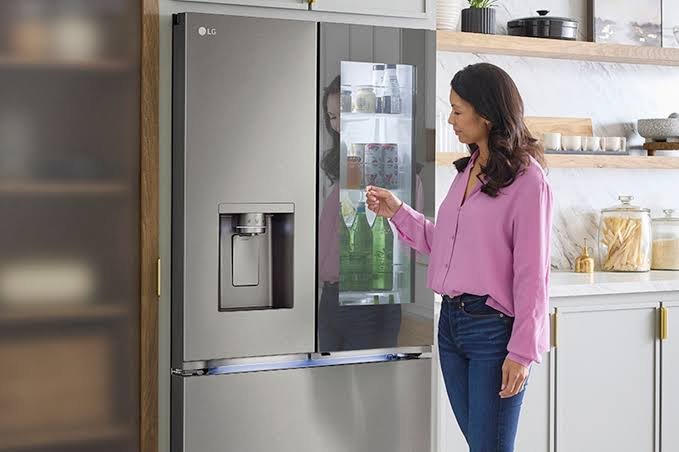
French Door Refrigerators: These trendy models typically last 10 to 14 years. While convenient and spacious, when studying how long do refrigerators last, note that complex door seals, multiple cooling zones, and through-the-door ice dispensers create additional wear points.
Side-by-Side Refrigerators: Typically lasting 10 to 13 years, side-by-side units feature narrow doors and dual compartments that require consistent airflow to maintain balanced temperatures across both sides.
Compact and Mini Fridges: Smaller units generally last 6 to 10 years. Compact compressors work harder in smaller spaces and often lack the heavy-duty insulation found in full-sized appliances.
Built-In Refrigerators: Premium built-in models can last 15 to 20 years or longer. Built with commercial-grade compressors and replaceable individual parts, they represent a premium long-term investment.
As you compare different styles, understanding how long do refrigerators last across various configurations makes it much easier to select an appliance tailored to your lifestyle and budget.
Key Factors That Influence How Long Do Refrigerators Last
Several environmental and mechanical factors dictate whether your kitchen fridge reaches its full potential lifespan or fails prematurely. Recognizing these elements helps you protect your appliance from unnecessary wear and tear.
Brand Engineering and Component Quality
Higher-end manufacturers invest in robust compressors, durable internal tubing, and superior insulation materials. While budget-friendly models offer lower upfront costs, premium engineering often adds several extra years of operational service.
Operating Environment and Location
Placing a refrigerator in an unconditioned garage, hot sunroom, or tight enclosure severely impacts performance. When evaluating how long do refrigerators last, ambient room temperature is critical; extreme heat forces the compressor to run constantly, accelerating internal component breakdown.
Routine Cleaning and Preventive Care
Dust, pet hair, and household lint naturally accumulate on condenser coils over time. When coils are caked in debris, heat cannot dissipate efficiently, forcing the cooling system to overwork and overheat.
Frequency of Use and Household Size
A large family opening the fridge door fifty times a day subjects the unit to far more thermal stress than a quiet two-person household. Every time cold air escapes, the compressor must kick on to restore set temperatures.
Knowing these key influences helps explain how long do refrigerators last in real-world scenarios and highlights why simple care habits make such a dramatic difference.
Warning Signs Your Refrigerator Is Failing
Refrigerators rarely stop working without dropping subtle hints first. By learning to identify early warning signs, you can address minor issues before experiencing costly food spoilage or sudden total failure.
When assessing how long do refrigerators last in your own kitchen, watch for these common indicators that service life is nearing its end:
Excessive Frost or Condensation: Water droplets pooling on internal shelves or thick frost accumulation inside the freezer indicates failing door seals, a faulty defrost heater, or a dying thermostat.
Constant Loud Compressor Noise: While normal fridges hum gently, a continuous loud buzzing, grinding, or clicking sound signals that the compressor motor is struggling under heavy strain.
Food Spoiling Before Expiration: If milk sours early or produce wilts within days, your cooling system is no longer maintaining stable target temperatures.
Unusually Hot Back Cabinet: While mild warmth behind the unit is normal, excessive heat radiating off the rear panel indicates the coils are failing to dissipate thermal energy.
Surging Electricity Bills: An aging compressor drawing excessive wattage to maintain cooling will quickly show up on your monthly utility statement. You can review our internal [appliance energy efficiency guide] to track typical power consumption patterns.
Paying close attention to these red flags gives you a realistic picture of how long do refrigerators last when mechanical components begin to show their age.
Essential Maintenance Tips to Extend Fridge Lifespan
Proactive maintenance is the single best way to maximize appliance longevity and lower your household operational costs. By establishing a simple home care routine, you can add years of reliable service to your unit.
According to survey data and appliance reliability studies by Consumer Reports, routine maintenance prevents a significant percentage of common mechanical service issues. Follow these proven steps:
Clean Condenser Coils Regularly: Vacuum dust off your condenser coils located at the bottom or back of the unit at least twice a year using a brush or vacuum attachment.
Inspect and Sanitize Door Seals: Wipe down rubber door gaskets with warm soapy water to remove food residue. Check for cracks or loose fits that allow cold air to leak out.
Maintain Balanced Airflow: Keep food items arranged so they do not block internal air vents. Avoid overfilling the cabinet, which restricts cool air circulation.
Set Proper Storage Temperatures: Keep the fresh food compartment set between 35°F and 38°F (2°C to 3°C) and the freezer at 0°F (-18°C).
Level the Unit: Ensure the appliance sits perfectly level on the floor so the doors seal tight naturally under their own weight.
Implementing these straightforward steps directly impacts how long do refrigerators last, protecting your investment while keeping energy bills as low as possible. For detailed step-by-step instructions, explore our complete internal [refrigerator maintenance checklist].
Should You Repair or Replace Your Aging Refrigerator?
When an older appliance starts misbehaving, homeowners face a tough choice: invest in a service call or purchase a brand-new model?
A reliable rule of thumb used by professional service technicians is the 50% Rule. If a repair costs more than half the price of a replacement unit and your fridge is over eight years old, replacing it is usually the wiser financial choice.
| Fridge Age | Minor Repair Cost | Major Mechanical Repair | Recommended Action |
| 0 to 7 Years | Fix immediately | Fix under warranty or repair | Repair |
| 8 to 11 Years | Repair if minor | Compare costs carefully | Evaluate Options |
| 12+ Years | Consider replacement | Replace appliance | Replace |
In addition, modern appliances certified by ENERGY STAR consume about 9% less electricity than standard models, saving significant power costs over their operational lifetime. If you are debating your options, check out our comprehensive internal [appliance repair guide] for further cost analysis.
Ultimately, understanding how long do refrigerators last gives you the confidence to determine whether a repair is a sound decision or a temporary fix for an expiring machine.
Final Thoughts on How Long Do Refrigerators Last
While most modern cooling appliances offer a reliable lifespan of 10 to 15 years, their true longevity depends on build quality, household usage, and regular maintenance. By taking simple steps like cleaning condenser coils, checking door seals, and keeping vents clear, you can easily stretch your appliance’s usable life toward the upper limit.
Recognizing early warning signs—such as unusual noises, temperature swings, and rising power bills—allows you to plan replacements on your own timeline rather than dealing with an emergency breakdown. Knowing how long do refrigerators last empowers you to keep your kitchen running smoothly, protect your groceries, and make smart home investment decisions.
Visit also : zingyzon.co.uk
What is the average lifespan of a modern refrigerator?
Most modern refrigerators last between 10 and 15 years. Standard top-freezer models often last 13 to 17 years, while complex French door and side-by-side models average 10 to 14 years due to additional electronic components and internal ice makers.
Is it worth repairing a 10-year-old refrigerator?
In most cases, repairing a 10-year-old refrigerator is not cost-effective if the issue involves major components like the compressor or sealed system. Because most fridges near the end of their 10-to-15-year lifespan begin experiencing sequential part failures, replacing the unit with an energy-efficient model is usually the better investment.
Which style of refrigerator lasts the longest?
Top-freezer refrigerators typically last the longest of all consumer configurations, often reaching 15 to 17 years. Their simple mechanical design features fewer moving parts, fewer electronic sensors, and straightforward cooling pathways compared to multi-door designs.
How do I know if my refrigerator compressor is failing?
Key indicators of a dying compressor include loud grinding or clicking sounds, continuous operation without lowering cabinet temperatures, or extreme heat radiating off the rear panel. If the compressor clicks on and immediately shuts off, the start relay or compressor itself may be failing.
Does placing a refrigerator in a garage reduce its lifespan?
Yes, putting a standard refrigerator in an unconditioned garage can significantly shorten its service life. Extreme summer heat forces the compressor to work continuously, while freezing winter temperatures can cause the thermostat to misread ambient air and shut down completely.