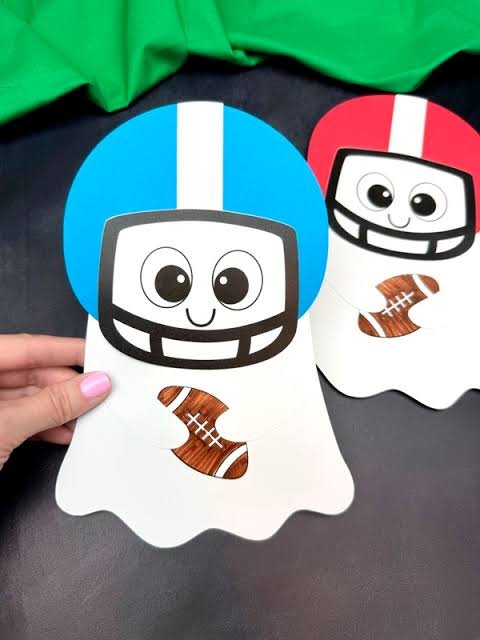
Disguise a Ghost: Understanding Ghostly Disguises and Their Meaning
The idea to disguise a ghost sounds mysterious, but it has appeared in folklore, fiction, games, Halloween traditions, and popular culture for generations. A ghost is usually imagined as an invisible or supernatural presence, yet stories often give spirits recognizable appearances so people can understand, fear, or even interact with them.
The concept becomes especially interesting when a ghost hides its identity. Instead of appearing as a traditional transparent figure, it may take the appearance of a person, animal, shadow, object, or completely ordinary character. This creates suspense and allows storytellers to explore themes such as identity, fear, deception, and the unknown.
What Does It Mean to Disguise a Ghost?
To disguise a ghost generally means to conceal its supernatural identity by changing its appearance or adopting another form. In fictional stories, this might involve a spirit appearing as a living person or blending into its surroundings.
The idea is not limited to horror. Disguised spirits can appear in fantasy novels, supernatural television shows, folklore, role-playing games, and even comedy. The disguise can make a character mysterious without immediately revealing that something supernatural is happening.
From a storytelling perspective, the disguise also creates an important question: who or what is really behind the appearance?
Why Would a Ghost Need a Disguise?
A ghost may be disguised for several narrative reasons. One common purpose is to create suspense. If readers or viewers do not immediately know that a character is a spirit, the eventual revelation can become an important part of the story.
Another reason is interaction. A supernatural character that looks completely ordinary can communicate with other characters without immediately causing fear or suspicion. This can produce more complex storylines involving secrets, investigations, and unexpected discoveries.
The concept to disguise a ghost can also symbolize hidden emotions or unresolved experiences. In literary storytelling, supernatural disguises sometimes represent grief, guilt, memories, or secrets that a character is trying to avoid.
Common Ghost Disguise Ideas in Fiction
A disguised ghost does not always need an elaborate costume. Its appearance can be surprisingly simple. A spirit might resemble an ordinary person, particularly someone connected to its past.
Another popular approach is a ghost that appears as a shadow or reflection. These subtle signs can make a supernatural story more intriguing because the audience notices something unusual before understanding its meaning.
Some fantasy settings use magical disguises, allowing spirits to change their faces, clothing, voices, or entire bodies. In games and fictional worlds, this ability can become part of a character’s supernatural powers.
How to Disguise a Ghost in a Story
If you want to disguise a ghost as part of a fictional story, focus on the reason behind the disguise rather than appearance alone. Ask why the ghost needs to remain hidden and what would happen if someone discovered its true identity.
A convincing disguise should also have small clues. Perhaps the character never appears in mirrors, knows information they should not know, or behaves strangely around certain places. These details can create mystery without revealing the answer too quickly.
The best supernatural disguises usually support the story instead of existing only as a visual trick. The disguise should affect the character’s relationships, goals, or conflicts.
Ghost Disguises in Folklore and Popular Culture
Stories about spirits taking different forms can be found across many cultural traditions. However, descriptions of ghosts vary considerably between cultures, so there is no single universal image of a ghost.
Modern entertainment has expanded the idea even further. Horror films often use ordinary-looking characters to hide supernatural identities, while fantasy games may allow spirits to transform into humans, creatures, or magical beings.
For general background on folklore and supernatural traditions, readers can explore resources from institutions such as Encyclopaedia Britannica and museum collections that document cultural traditions.
Why Disguised Ghosts Remain Popular
The appeal of a disguised ghost comes from uncertainty. People naturally become curious when something appears normal but contains an unexplained secret.
This makes the concept useful for mystery stories as well as horror. A character may spend much of a story trying to understand strange events before discovering that someone—or something—is not what it seems.
The phrase disguise a ghost therefore represents more than changing a supernatural appearance. It captures a classic storytelling technique built around concealment, revelation, and curiosity.
FAQs About Disguise a Ghost
Can a ghost really disguise itself?
There is no scientific evidence demonstrating that ghosts exist or can change their appearance. Ghost disguises are primarily concepts found in folklore, fiction, games, and entertainment.
What can a disguised ghost look like?
In fictional stories, a disguised ghost can look like a living person, animal, shadow, reflection, or another supernatural creature. The form depends on the story’s rules.
Why do writers disguise ghosts?
Writers may use disguised spirits to create suspense, mystery, surprise, or emotional symbolism. It can also allow a supernatural character to interact with others without immediately revealing its identity.
Is disguising a ghost a common horror theme?
Yes. Hidden supernatural identities are frequently used in horror, fantasy, mystery, and folklore because they create uncertainty and encourage audiences to look for clues.
How can I write a convincing disguised ghost?
Give the disguise a clear purpose and include subtle clues that something is unusual. Revealing the ghost’s identity gradually can make the story more engaging.
Conclusion
To disguise a ghost is an imaginative concept that combines supernatural mystery with the classic idea of hidden identity. Whether used in folklore-inspired fiction, horror stories, fantasy games, or creative writing, a disguised spirit can create suspense and encourage audiences to question what they see.
The strongest ghost stories are not necessarily those with the most frightening appearances. Often, the most memorable supernatural characters are those that look completely ordinary while hiding an extraordinary secret.